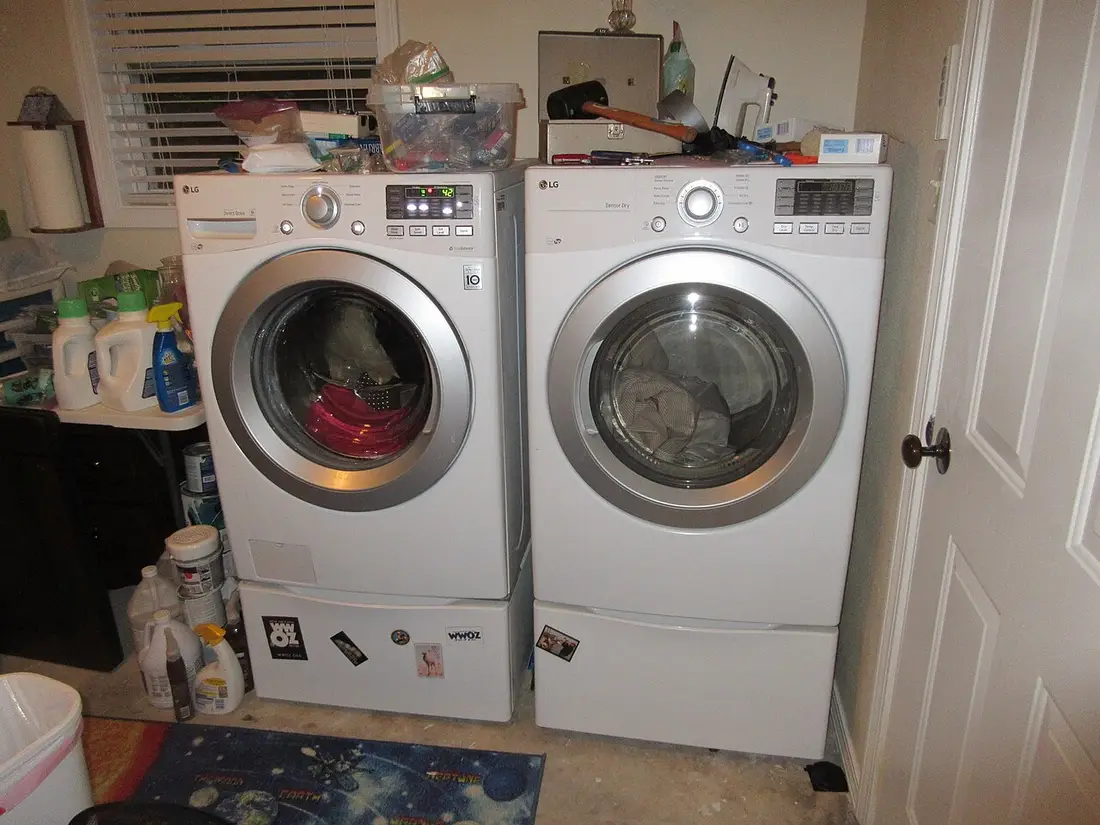
Dryer Repair in Tulsa, OK
Dryer repair in Tulsa - dryers that will not heat, take too long, drum silent or roaring, most of them tracing to venting, elements, thermal fuses and worn drum hardware.
One call connects you with an appliance professional serving Tulsa
Dryer Repair in Tulsa: The Full Picture
Airflow is the dryer's secret: it is a wind machine as much as a heat machine. In Tulsa, vents run long paths through walls and roofs, birds and lint colonize the outside hood, and a vent that has narrowed by half doubles dry times while cooking the dryer's own safety devices. Many 'dryer failures' are vent failures wearing the dryer's name.
When a dryer in Tulsa stops heating altogether, the story usually has two chapters: something overheated first - most often because air could not move - and then a thermal fuse or element gave its life to stop it. Replacing the part without reading the first chapter just schedules the sequel.
The dryer in Tulsa files its complaint in time: loads that took forty minutes now take ninety, towels still damp at the buzzer, the laundry room backing up into the week's schedule. Behind almost every slow dryer is a short list - heat lost, air lost, or tumbling lost - and the visit works it in that order.
The power story is the first local fact. The same plains systems that bring hail bring lightning, wind and downed lines, and every outage ends with a surge as power returns - control boards, the electronic brains of modern appliances, take that hit. The December 2007 ice storm left much of the metro dark for days, and smaller outages repeat the lesson most springs: what a storm does to an appliance often shows up weeks after the lights come back.
Follow the air and you have followed the dryer's whole plot. Air enters, is heated, tumbles through the load gathering moisture, and leaves carrying lint through a path that every house builds differently - short and straight in the lucky ones, long and turned and roof-bound in the rest. Every dryer symptom is a point on that path: heat lost at the source, air lost along the way, or the load not presented to the wind because the drum stood still. The visit that starts outside, at the vent hood, is honoring the plot's order.
Signs Your Machine Is Calling for Dryer Repair
Clothes take two or three cycles to dry
Airflow or heat is failing - a restricted vent, a tired element, a cycling thermostat out of range. The longer it runs, the more the machine wears and the higher the lint risk climbs.
The dryer runs but produces no heat
Element, igniter or thermal fuse on the heat path has opened. On an electric dryer, a partial power fault can also leave the drum turning with the heat dead.
The drum will not turn
Belts break, idler pulleys seize and motors fail - the drum's stillness has a sound signature for each, from a thump before silence to a hum that goes nowhere.
Loud thumping, squealing or scraping
Drum rollers, glides and belts announce wear in rhythm with the rotation. A new noise per revolution is a part naming itself.
The dryer stops mid-cycle or will not restart hot
Thermal protection is doing its job against an overheating machine - venting and lint are read first, thermostats and fuses second.
The laundry room gets hot and humid during runs
Drying air is escaping indoors instead of leaving by the vent - a disconnected or crushed vent behind the machine is the usual find.
Venting decides dryer life in Tulsa homes. Long runs to a roof cap or a far wall, flexible foil duct crushed behind the machine, screens and hoods furred with lint - restriction is the default state of an unmaintained vent, and restriction is heat's accomplice. A dryer cannot breathe out; everything else follows.
Lint is more than a filter's job. What escapes the screen travels the vent, coats the cabinet interior, and gathers around the element and motor. The thermal fuse - a one-time safety device - exists for the day the heat cannot leave; when it opens, the dryer stops heating entirely, which is a message about the vent, delivered by the fuse.
The dryer's tragedy is how often it is blamed for its vent. Elements burn in still air, fuses open in trapped heat, motors strain against loads they cannot dry - and the parts get replaced while the duct keeps its secret for the next part to find. A proper dryer visit refuses the separation: the machine and its exhaust are one appliance, and they are left working as one, or the calendar simply books the same failure again.
Load patterns matter too. The heavy indoor laundry season in winter, family-size loads in the subdivisions, and delicates mixed with towels all change the drum's work. Dryers wear on cycles and on airflow; a machine asked to dry double loads through a half-blocked vent is being spent at several times the intended rate.
The water finishes the argument. Tulsa's supply is known for leaving mineral scale, and scale is a slow appliance mechanic: it narrows dishwasher spray-arm holes, crusts washer inlet screens, slows ice maker fill valves and coats heating elements in dishwashers and water-using appliances generally. Add the rural edges of the metro, where well water adds its own mineral load, and water quality is part of nearly every appliance diagnosis in Green Country.
How Dryer Repair Is Done
Start at the vent, not the element
The airflow path is proven first - filter, duct, run and outside hood - because it causes more dryer faults than any part inside the cabinet.
Test the heat path
Element or burner, igniters, cycling thermostats and the thermal fuse are tested in sequence until the open point in the heat chain is found.
Test the drum path
Belt, idler, rollers, glides and motor are checked for the thumps and silences they produce, and the drum is turned by hand to feel what the ear reported.
Repair, then prove with a real load
The failed parts are renewed, the vent path left clear, and the dryer run with a wet load - dry time and cabinet temperatures tell whether the whole story was found.
Dryer prevention is mostly airflow devotion. The vent, the screen and the hood are a single breathing system, and the habits below keep it open - which quietly protects the element, the fuses, the motor and the clothes all at once. Rising dry times are the gauge: when they creep, the system is asking.
Prevention and Upkeep
Clean the lint screen every load, and wash it monthly if dryer sheets film it over - air starts there.
Clean the lint screen every load, and wash it monthly if dryer sheets film it over - air starts there.
Have the full vent run cleaned on a rhythm your vent's length sets; long and roof-bound runs need it most.
Have the full vent run cleaned on a rhythm your vent's length sets; long and roof-bound runs need it most.
Keep the outside vent hood clear of lint, nests and mulch, and confirm its flap opens when the dryer runs.
Keep the outside vent hood clear of lint, nests and mulch, and confirm its flap opens when the dryer runs.
Use the space behind the dryer gently when pushing it back - crushed duct is the most common self-inflicted restriction.
Use the space behind the dryer gently when pushing it back - crushed duct is the most common self-inflicted restriction.
Dry similar weights together; one heavy towel in a light load extends the cycle for everything.
Dry similar weights together; one heavy towel in a light load extends the cycle for everything.
Note rising dry times month to month - the trend is the vent's early warning, readable long before the fuse speaks.
Note rising dry times month to month - the trend is the vent's early warning, readable long before the fuse speaks.
The DIY Line and the Professional Line
DIY limits
Bypassing any safety thermostat or fuse to get one more load dried - those devices are the fire prevention, not the obstacle
DIY limits
Running the dryer with the vent disconnected 'to test' indoors: the moisture and lint go into the house, and the test proves little
What a professional does
Airflow measured and the vent read as part of the dryer, so heat faults are fixed at their cause
What a professional does
Drum hardware assessed by sound and touch, with the wear items renewed together when one has clearly spent the set
The dryer decision is the clearest in the laundry room once the vent has been read: with air moving as it should, most dryer faults are component faults, and component faults are repairs. The visit that insists on reading the vent first is the one whose verdict you can build on.
Spring is surge season in Tulsa, and it is appliance season too. From March into June the storm systems roll in with lightning and outages, and the calls that follow carry a pattern: control boards that stopped answering, refrigerators that restarted warm, washers that quit mid-cycle when the power blinked. A spring check - surge protection verified, refrigerator coils cleaned before the heat - is the single most valuable appointment on the Tulsa appliance calendar.
Where Dryer Repair Is Needed Most
The demand concentrates where the machines work hardest: the renovated kitchens of Maple Ridge and Florence Park running premium loads daily, the family laundry rooms of Broken Arrow, Bixby and Owasso cycling through school and sports seasons, and the older housing of North and West Tulsa where machines serve second and third owners. Southern Hills' entertaining kitchens and Midtown's mix of eras add their own patterns.
The ring communities carry the same weather over different stock: Jenks and Union's growth corridors, Berryhill and Turley's working households, and the rural-edge homes of Sand Springs, Sapulpa and Skiatook where well water and long power runs write their own chapters in every machine's biography.
And the far edge - Glenpool, Catoosa, Coweta, Claremore, Collinsville - brings the small-town version of the same story: machines that work for households with fewer second options, longer distances to everything, and kitchens that cannot simply pause. One climate, twelve services, thirty neighborhoods of variations on it.
Dryer Repair in the City Neighborhoods
 Dryer Repair in Downtown Tulsa
 Dryer Repair in Midtown
 Dryer Repair in Brookside
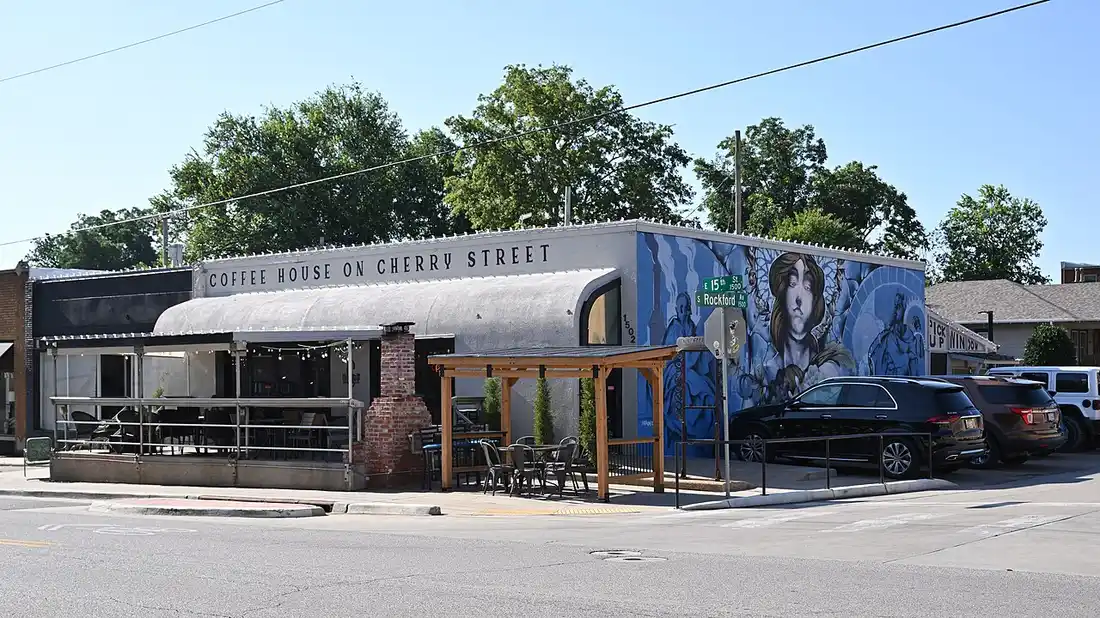 Dryer Repair in Cherry Street
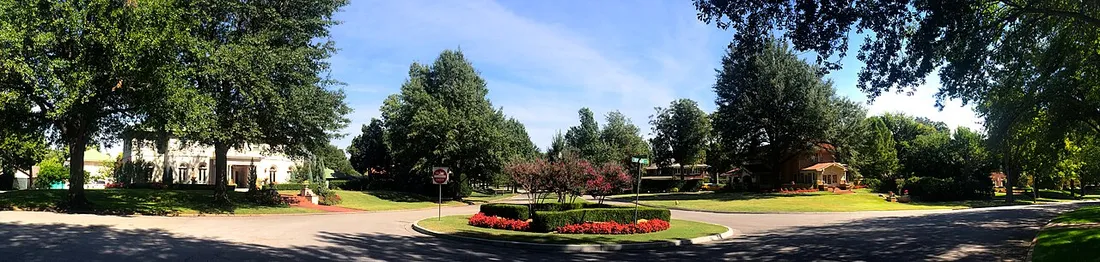 Dryer Repair in Maple Ridge
 Dryer Repair in Florence Park
 Dryer Repair in Southern Hills
 Dryer Repair in South Tulsa
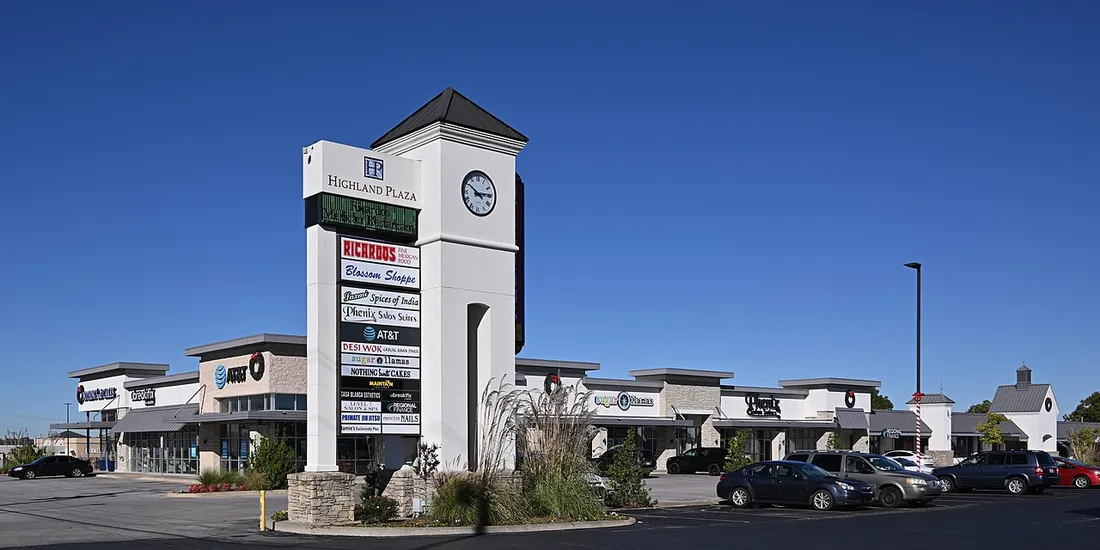 Dryer Repair in Woodland Hills
 Dryer Repair in East Tulsa
Dryer Repair in the Surrounding Communities
 Dryer Repair in North Tulsa
 Dryer Repair in West Tulsa
 Dryer Repair in Riverside
 Dryer Repair in Kendall-Whittier
 Dryer Repair in Pearl District
 Dryer Repair in Union District
 Dryer Repair in Berryhill
 Dryer Repair in Turley
 Dryer Repair in Broken Arrow
 Dryer Repair in Jenks
 Dryer Repair in Bixby
 Dryer Repair in Owasso
Coverage, In Full
Dryer Repair is also covered in Sand Springs · Sapulpa · Glenpool · Catoosa · Coweta · Claremore · Collinsville · Skiatook - every community in the Tulsa metro, on its own page. Prefer to start from your neighborhood? Browse all areas, or jump to a related job: Oven & Range Repair in Maple Ridge · Oven & Range Repair in Riverside · Oven & Range Repair in Downtown Tulsa · Ice Maker Repair in North Tulsa · Ice Maker Repair in Sand Springs · Ice Maker Repair in Southern Hills.
One Machine, Then the Fleet
No dryer repair job stands alone for long: the reading that produces it touches the rest of the kitchen too. Owners commonly pair it with oven & range repair in the same visit, or follow it with ice maker repair once the first fault is closed. Our appliance guides explain the whole-fleet thinking behind that sequencing.
Questions About Dryer Repair
Why does my dryer in Tulsa take so long to dry clothes?
In order of likelihood: the vent is restricted, the element is cycling weakly or partly out, or the drum is not turning the load through the air as designed. Start outside - if the vent hood barely stirs while the dryer runs, the machine is suffocating, and no part inside it fixes that. The visit proves airflow first, then tests the heat chain.
Is a squealing or thumping dryer in Tulsa safe to keep using?
A thump or squeal is drum hardware - rollers, glides, belt or idler - wearing in rhythm. It is not usually an immediate hazard, but it does not improve, and a belt that lets go or a roller that seizes turns a moderate repair into a stopped machine. Burning smells or a cabinet too hot to touch are different: stop, unplug, and call.
What happens when I call about a dryer in Tulsa?
Describe the symptom - no heat, long times, no tumble, or a noise, and its rhythm if it has one. The call center routes a professional serving Tulsa. If the machine smells of burning or the cabinet is unusually hot, leave it unplugged until the visit.
How often should a dryer vent be cleaned in Tulsa?
It follows the vent, not the calendar alone: short, straight wall vents ask the least; long runs and roof caps ask the most, and large households load every vent faster. Rising dry times are the practical gauge - when times creep, the vent is due, whatever the date says.
Can a clogged vent really kill a dryer's heating element?
It is the leading cause. Restricted airflow lets cabinet temperatures climb until thermostats cycle frantically, elements stress, and thermal fuses open. Element failure with a clear vent is bad luck; element failure with a blocked vent is a mechanism, and the mechanism outlives the part if it is not cleared.
Why does my dryer shut off and refuse to restart until it cools?
Thermal protection again - the motor or the cabinet is overheating and the machine is standing down until temperatures fall. Lint inside the cabinet and a restricted vent are the usual causes; a motor drawing too much current as it wears is the other. It is a symptom with a deadline, not a personality trait.
Ready to talk about dryer repair for your Tulsa home?
One call connects you with an appliance repair professional serving Tulsa and the surrounding Green Country communities - refrigerator, washer, dryer, oven, dishwasher and more.
📞 Call Now