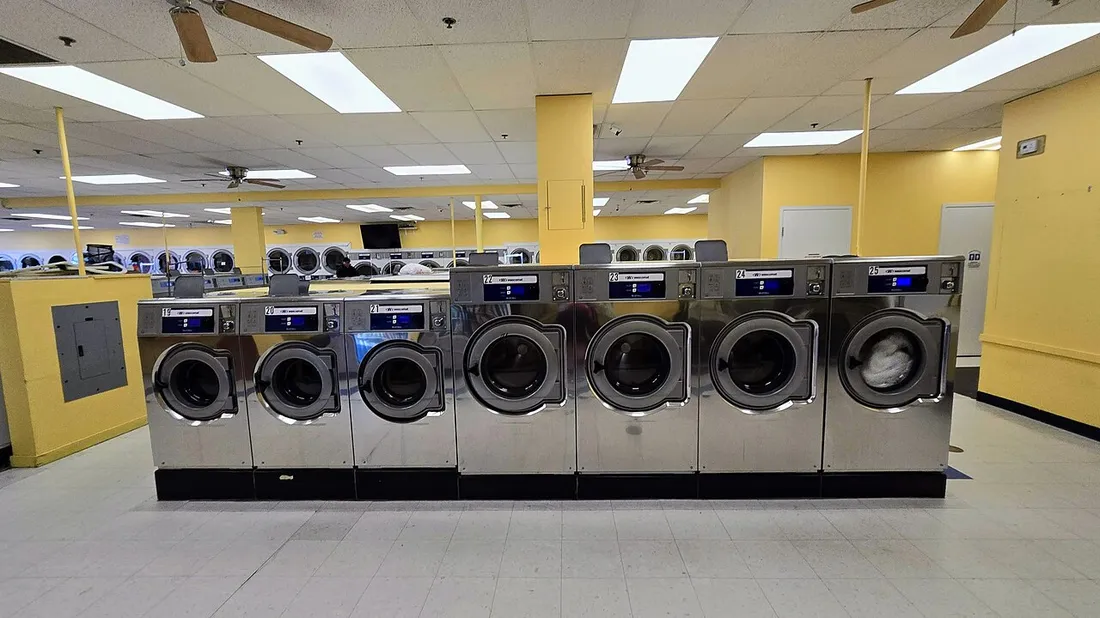
Washer Repair in Tulsa, OK
Washer repair in Tulsa - machines that will not drain, spin, fill or agitate, leaks, loud bearings and cycles stopped by scale-clogged inlets, tired pumps and worn belts.
One call connects you with an appliance professional serving Tulsa
Washer Repair in Tulsa: The Full Picture
The modern washer is a plumbing appliance, a mechanical appliance and an electronic appliance sharing one cabinet. In Tulsa, the failures follow that map: drain pumps worn by years of lint and coins, inlet screens crusted with Tulsa's mineral water, bearings and belts aged by heavy family loads, and control boards marked by the storm season's surges.
A washer in Tulsa fails in water, and water is an impatient symptom: the load left soaking in a tub that will not drain, the puddle spreading from under the machine, the spin cycle that sounds like a helicopter landing in the utility room. Laundry does not wait, which is why washer faults feel urgent - they are.
Most washer stories in Tulsa have a preface the owner can recite: it got louder last spring, it needed a second spin in the fall, it left the clothes a little wetter each month. Washers rarely fail without advertising first - the visit reads those advertisements and finds the part behind them.
The power story is the first local fact. The same plains systems that bring hail bring lightning, wind and downed lines, and every outage ends with a surge as power returns - control boards, the electronic brains of modern appliances, take that hit. The December 2007 ice storm left much of the metro dark for days, and smaller outages repeat the lesson most springs: what a storm does to an appliance often shows up weeks after the lights come back.
The washer's biography is written by its loads. A single person's gentle cycles and a family of six's daily production are the same machine living different lives, and the parts know the difference: bearings count revolutions, pumps count gallons of lint-bearing water, suspensions count the unbalanced spins absorbed at two in the morning. Diagnosis reads that biography - the technician is not just finding the failed part, but estimating the mileage on all the others, because that estimate is what makes the repair-or-replace word worth hearing.
Signs Your Machine Is Calling for Washer Repair
The tub will not drain, or drains slowly
A worn or obstructed drain pump is the first suspect - lint, coins and small garments are its diet - with kinked or clogged drain hoses behind it.
Clothes come out soaking wet
The spin is weak or missing: belts, motor couplings, lid or door switches, and bearings all sit on that path, and each leaves a different sound.
The machine will not fill, or fills slowly
Inlet valve screens collect Tulsa's mineral scale grain by grain until the fill slows to a trickle; the valves themselves fail behind the screens.
Loud banging, walking or roaring in spin
Out-of-balance loads explain an episode; a pattern of it means suspension, bearings or a tub support is wearing, and spin forces are hard on everything they touch.
Water on the floor
Supply hoses, pump seals, tub seals and door boots all leak in their own places. A washer leak is located by where the water appears and when in the cycle it arrives.
The cycle stops midway or the display shows a code
The machine has detected its own fault - drainage timeouts, motor and lock errors lead the list. The code plus the point in the cycle where it stopped is the diagnosis's first page.
Drainage is the washer's main event: several gallons of dirty water, moved quickly, every load. The pump that does it works against lint, scale and whatever the pockets contributed, and its failure is the most common washer call in the metro. Drain paths clog gradually - the machine that drains a little slower each season is scheduling its own service call.
Scale is the washer's quiet enemy in Tulsa. Inlet screens are fine mesh by design, and mineral water crusts them the way it crusts a kettle. The symptom is innocent at first - longer fills, occasional pressure complaints from the machine's sensors - and ends at a washer that will not start a cycle it cannot fill for.
Water writes the other half of the story. Every fill passes the inlet screens, every drain passes the pump and the hose, and Tulsa's mineral supply edits both paths continuously. The washer that fills slowly and drains slower is not necessarily old; it is mineralized and linted at its two gates. Much of washer repair is the restoration of those two roads - which is also why the simplest maintenance in laundry, a cleaned pump filter and an occasional screen check, buys more life than any other habit in the room.
Load is the third author. Washers in family households in the subdivisions can run ten or more loads a week; bearings, suspensions and belts wear on cycles, not birthdays. The roar that grows across a season of spins is bearing wear announcing its timetable, and catching it early is the difference between a bearing job and a tub job.
The water finishes the argument. Tulsa's supply is known for leaving mineral scale, and scale is a slow appliance mechanic: it narrows dishwasher spray-arm holes, crusts washer inlet screens, slows ice maker fill valves and coats heating elements in dishwashers and water-using appliances generally. Add the rural edges of the metro, where well water adds its own mineral load, and water quality is part of nearly every appliance diagnosis in Green Country.
How Washer Repair Is Done
Read the cycle and the code
The visit starts with the machine's own report: any error code, the point in the cycle where trouble appears, and the sounds the owner can describe. A short test cycle follows.
Test the water path
Fill and drain are proven in order - supply, inlet screens and valves, then pump and hoses - because half of washer faults live in the water's road in or out.
Test the mechanical path
Agitation and spin are checked under load: belt or drive, motor, bearings and suspension, with the cabinet opened as the evidence requires.
Repair and run a full load cycle
The failed component is repaired or replaced, leaks checked at every disturbed connection, and the machine run through a real cycle before the visit is called done.
Washer care divides into water care and load care: what flows in and out, and what the machine is asked to carry. The habits below guard both - they keep the screens and pump ahead of the minerals and lint, and they keep the drum's hardware wearing at the pace of its design rather than the pace of its abuse.
Prevention and Upkeep
Clean the drain pump filter on the schedule your model sets - it is the simplest insurance in laundry.
Clean the drain pump filter on the schedule your model sets - it is the simplest insurance in laundry.
Use the detergent quantity the machine asks for; excess suds cushion loads, foul sensors and leave residue that smells.
Use the detergent quantity the machine asks for; excess suds cushion loads, foul sensors and leave residue that smells.
Leave the door or lid ajar between loads so the boot and tub dry - Tulsa humidity grows the odor if you do not.
Leave the door or lid ajar between loads so the boot and tub dry - Tulsa humidity grows the odor if you do not.
Check pockets before they check the pump: coins, screws and hairpins are pump-killers with a paper trail.
Check pockets before they check the pump: coins, screws and hairpins are pump-killers with a paper trail.
Replace rubber supply hoses on a multi-year rhythm, and know where the shutoff valves are before you need them.
Replace rubber supply hoses on a multi-year rhythm, and know where the shutoff valves are before you need them.
Balance the laundry room's loads - a machine that habitually walks is wearing its suspension with every trip.
Balance the laundry room's loads - a machine that habitually walks is wearing its suspension with every trip.
The DIY Line and the Professional Line
DIY limits
Clearing a drain fault by repeatedly restarting the cycle: a struggling pump burns out on the retries, turning a clean-out into a replacement
DIY limits
Tilting the machine back and reaching blindly under it while it is full of water and connected to power and supply lines
What a professional does
Bearing and suspension assessment under a real spin load, with an honest word on whether the machine's age supports the repair
What a professional does
The full water path tested in order, so a screen, a valve and a pump are never confused for one another
The washer choice is rarely between repair and a showroom; it is between a part and a pattern. A single failed component on a sound machine is a repair; the third failure in a year is the machine making a suggestion. A good diagnosis visit tells you which one you are holding, and tells you straight.
Fall is cooking season arriving. The ovens and ranges that idled through summer get their first real work at the holidays, and fall is when the dead oven element or the inaccurate thermostat introduces itself - ideally in October, not on a holiday morning. It is also the repair window: the season to handle the washer bearing that has been getting louder and the dishwasher that has been leaving grit, before winter and guests arrive together.
Where Washer Repair Is Needed Most
The demand concentrates where the machines work hardest: the renovated kitchens of Maple Ridge and Florence Park running premium loads daily, the family laundry rooms of Broken Arrow, Bixby and Owasso cycling through school and sports seasons, and the older housing of North and West Tulsa where machines serve second and third owners. Southern Hills' entertaining kitchens and Midtown's mix of eras add their own patterns.
The ring communities carry the same weather over different stock: Jenks and Union's growth corridors, Berryhill and Turley's working households, and the rural-edge homes of Sand Springs, Sapulpa and Skiatook where well water and long power runs write their own chapters in every machine's biography.
And the far edge - Glenpool, Catoosa, Coweta, Claremore, Collinsville - brings the small-town version of the same story: machines that work for households with fewer second options, longer distances to everything, and kitchens that cannot simply pause. One climate, twelve services, thirty neighborhoods of variations on it.
Washer Repair in the City Neighborhoods
 Washer Repair in Downtown Tulsa
 Washer Repair in Midtown
 Washer Repair in Brookside
 Washer Repair in Cherry Street
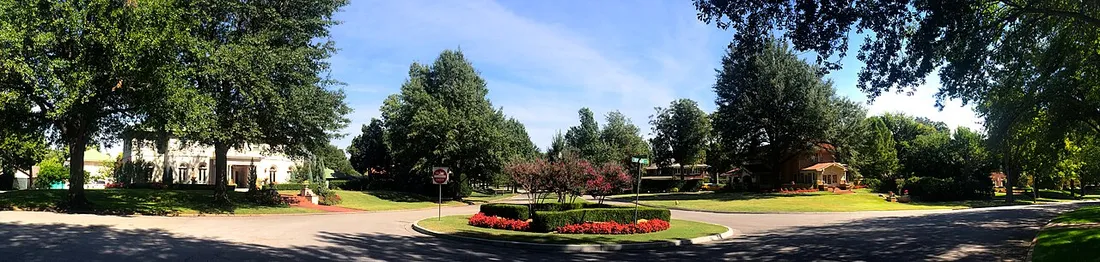 Washer Repair in Maple Ridge
 Washer Repair in Florence Park
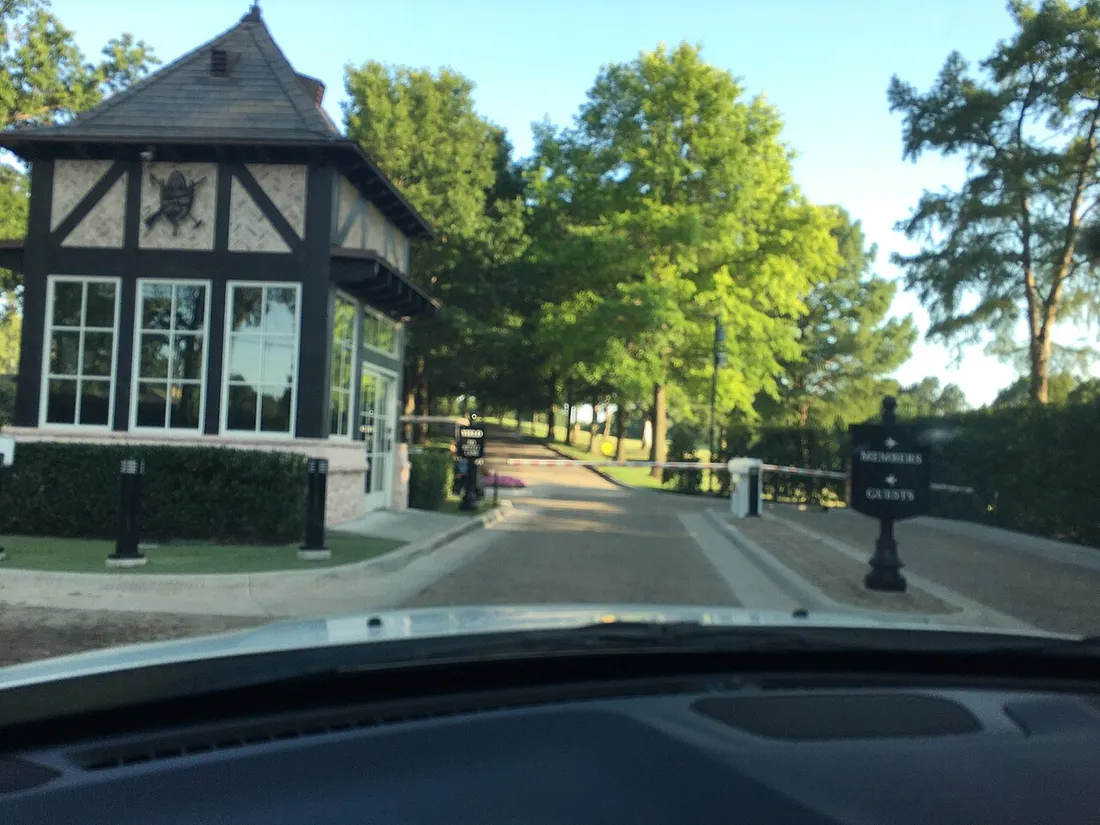 Washer Repair in Southern Hills
 Washer Repair in South Tulsa
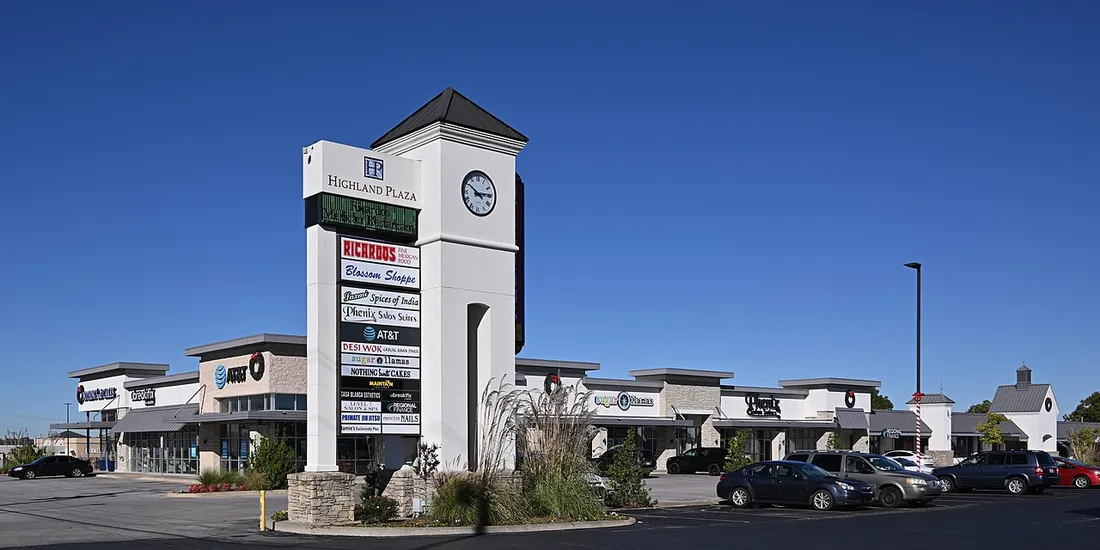 Washer Repair in Woodland Hills
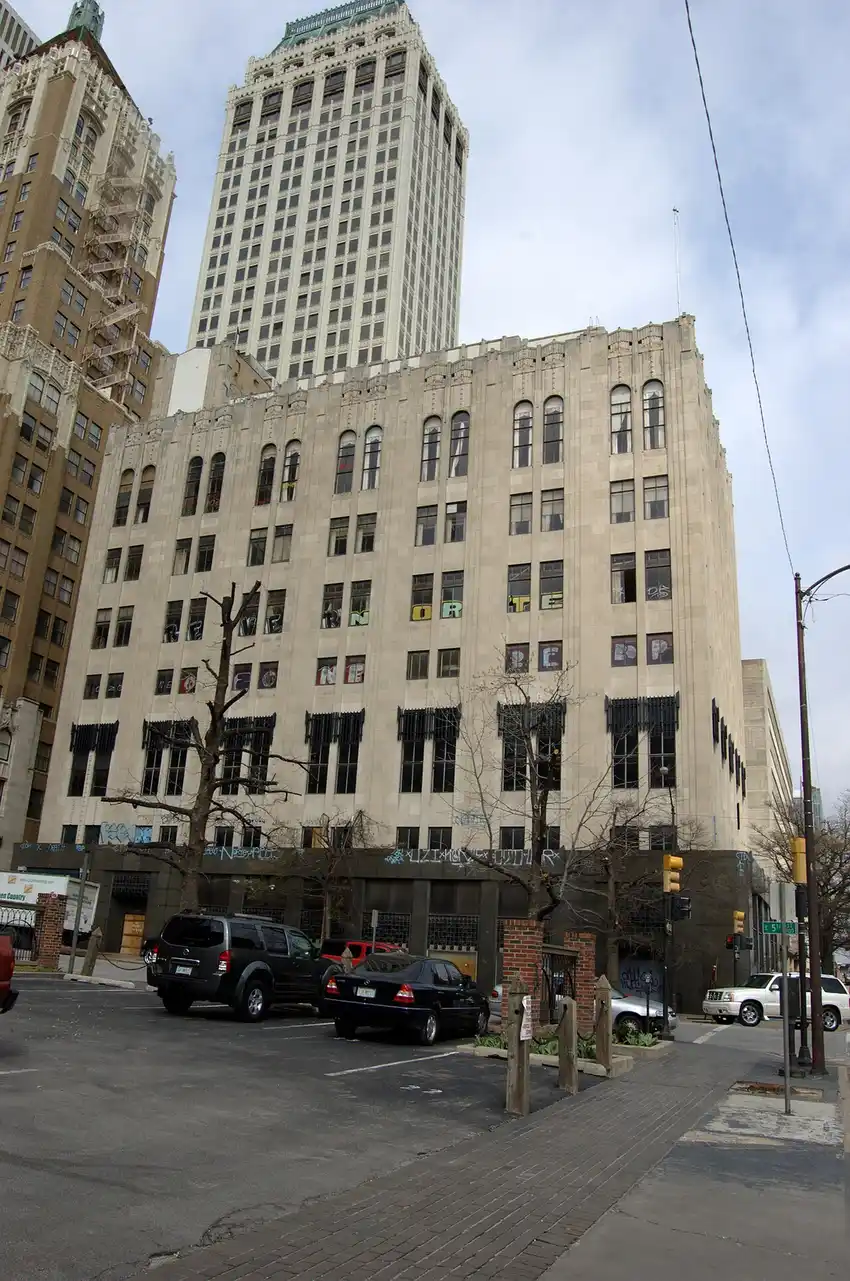 Washer Repair in East Tulsa
Washer Repair in the Surrounding Communities
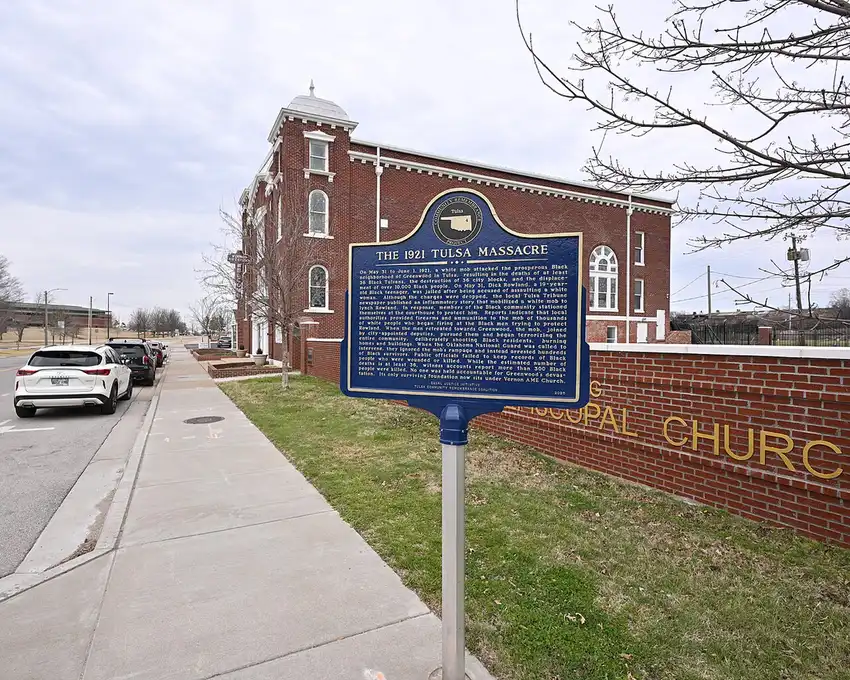 Washer Repair in North Tulsa
 Washer Repair in West Tulsa
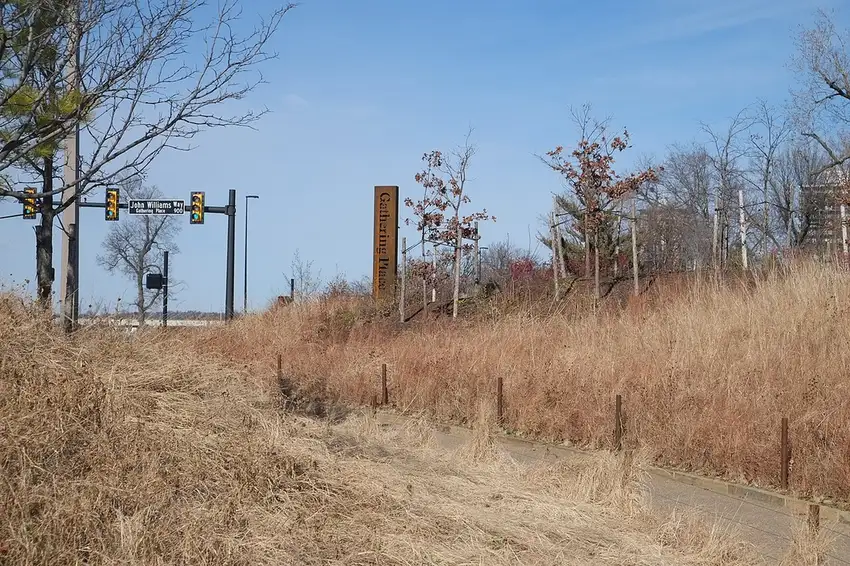 Washer Repair in Riverside
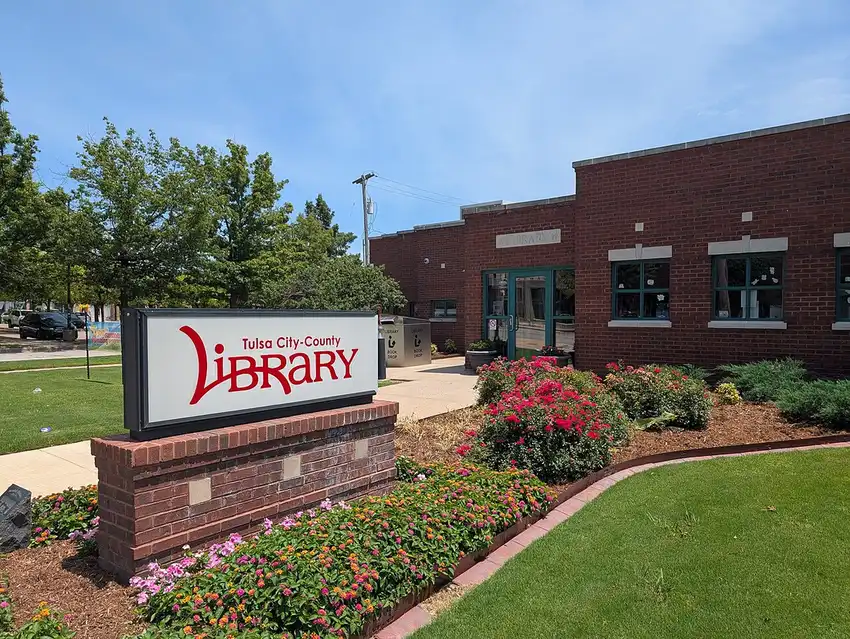 Washer Repair in Kendall-Whittier
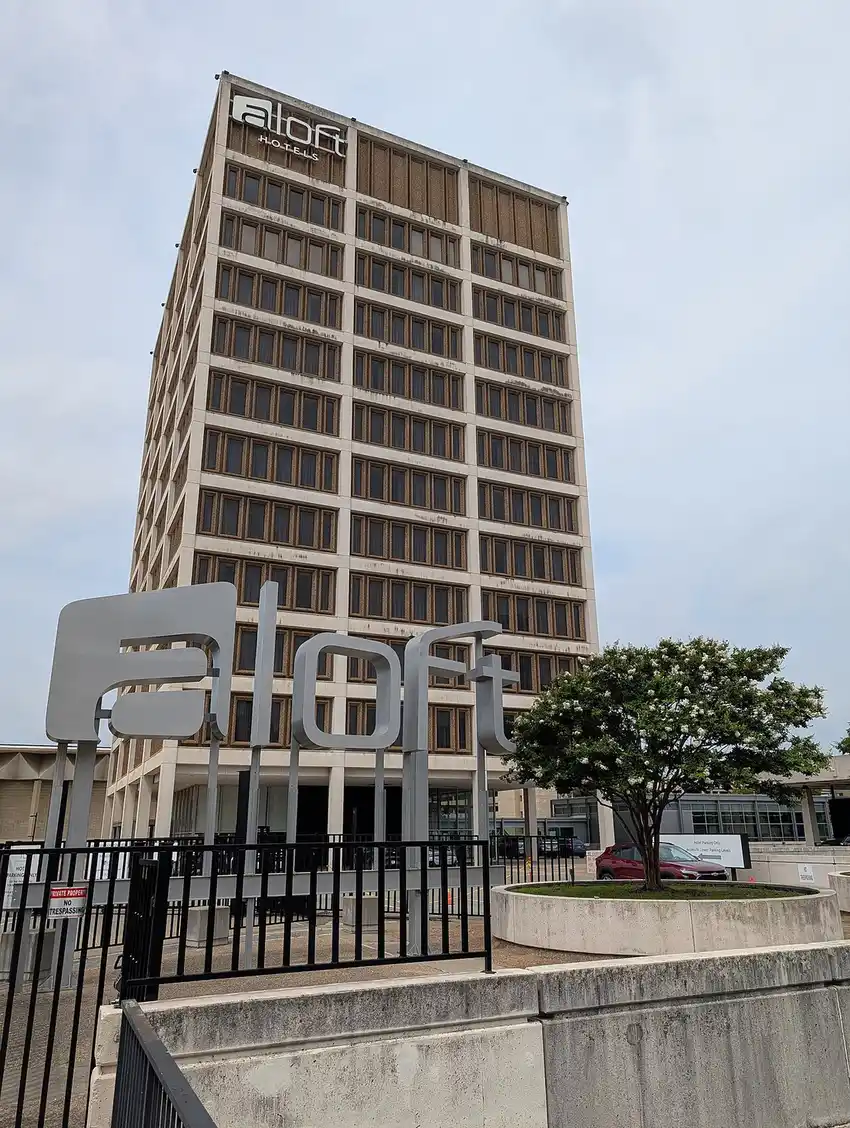 Washer Repair in Pearl District
 Washer Repair in Union District
 Washer Repair in Berryhill
 Washer Repair in Turley
 Washer Repair in Broken Arrow
 Washer Repair in Jenks
 Washer Repair in Bixby
 Washer Repair in Owasso
Coverage, In Full
Washer Repair is also covered in Sand Springs · Sapulpa · Glenpool · Catoosa · Coweta · Claremore · Collinsville · Skiatook - every community in the Tulsa metro, on its own page. Prefer to start from your neighborhood? Browse all areas, or jump to a related job: Dryer Repair in Collinsville · Dryer Repair in Riverside · Dryer Repair in Midtown · Freezer Repair in Southern Hills · Freezer Repair in South Tulsa · Freezer Repair in Turley.
One Machine, Then the Fleet
No washer repair job stands alone for long: the reading that produces it touches the rest of the kitchen too. Owners commonly pair it with dryer repair in the same visit, or follow it with freezer repair once the first fault is closed. Our appliance guides explain the whole-fleet thinking behind that sequencing.
Questions About Washer Repair
What happens when I call about a washer in Tulsa?
Describe where the cycle stops, what the machine shows on its display, and whether water is standing in the tub. The call center routes a professional serving Tulsa; bail or drain the tub only if you can do it without moving a connected machine, and leave the diagnosis to the visit.
Is a loud spin cycle in Tulsa worth repairing?
It depends on what is loud. A suspension or balance fault is a moderate repair; a worn tub bearing is a larger one, and on an older machine it starts the repair-or-replace conversation honestly. What it is not is a sound to live with - spin forces grow the damage every load.
Why does my washer in Tulsa fill so slowly?
Almost always the inlet screens. Tulsa's mineral water crusts the fine mesh where the hoses meet the machine, a grain at a time, until the fill slows and the machine's pressure sensing starts complaining. It is one of the simpler repairs in laundry - and a warning to check the same water's effect on your ice maker and dishwasher.
Why does my washer smell, and is that a repair?
Residue is the cause: detergent and soil film inside the tub and boot, kept damp by humidity. It is maintenance rather than repair - a cleaning cycle run hot and empty, the boot wiped, the door left ajar - unless the smell is electrical or the residue traces to a drain fault keeping dirty water in the machine.
How long does a washer repair usually take?
Most single-fault repairs are completed within the visit once the part is in hand - pumps, valves, belts and switches are the everyday list. Bearing and tub work is longer surgery. The variable is rarely the labor; it is whether the needed part is on the truck or has to be ordered for your model.
Front-load or top-load: do the faults differ?
The water and drive faults are cousins, but the signatures differ. Front-loaders add door-boot leaks, drain pump filters that owners can service, and bearing wear from horizontal loads. Top-loaders add lid switches, agitator dogs and suspension rods. The diagnosis follows the machine's design, not a script.
Ready to talk about washer repair for your Tulsa home?
One call connects you with an appliance repair professional serving Tulsa and the surrounding Green Country communities - refrigerator, washer, dryer, oven, dishwasher and more.
📞 Call Now